This article summarises the articles I published in China Advertising magazine (January 15, 2025), and has been re-edited and streamlined according to the content of my personal blog.
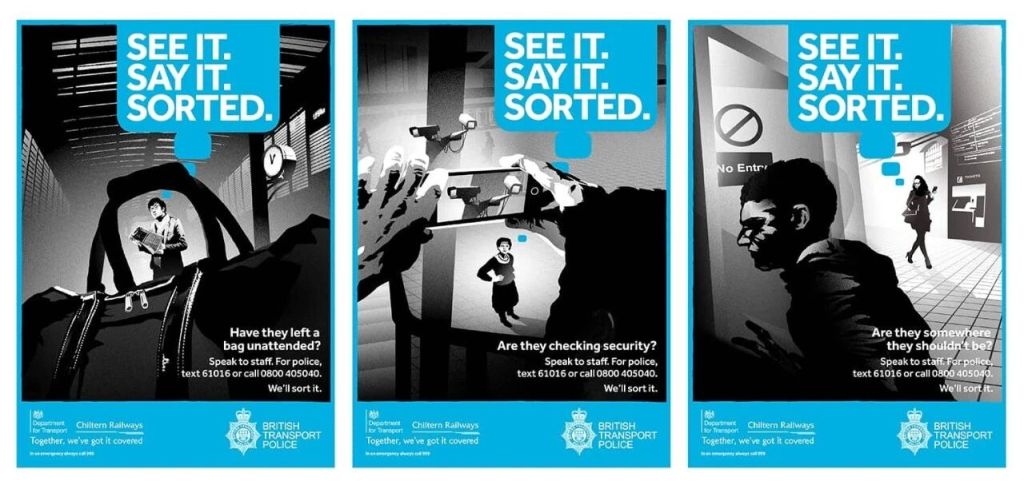
While studying in the UK, almost everyone who has taken the London Underground will not be unfamiliar with this broadcast:
“See it. Say it. Sorted.”
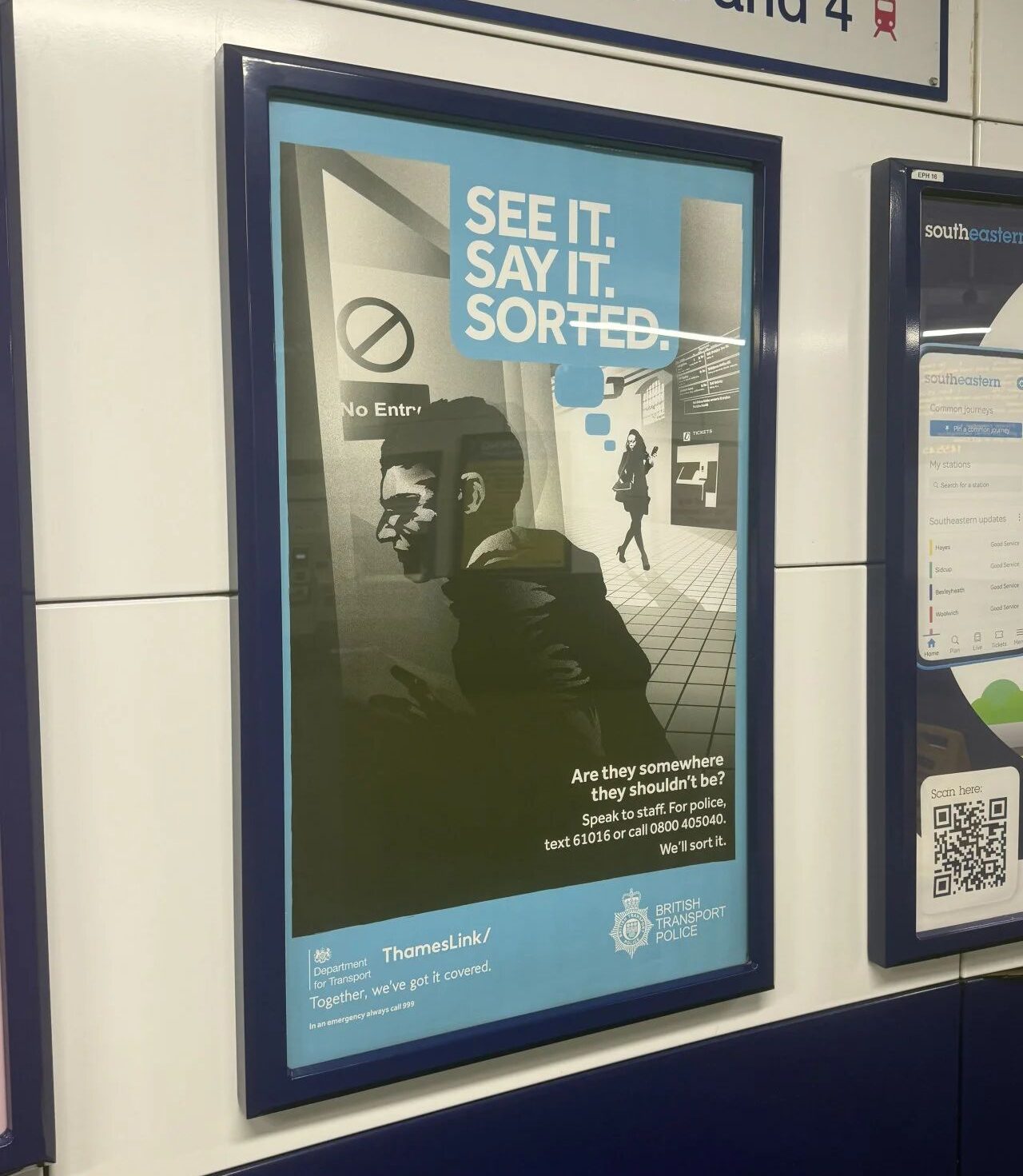
This simple slogan was born after the terrorist attack on the London “7·7” subway in 2005. It was jointly designed by the British National Railways, the British Transportation Police and the communication team, and officially became the core slogan of the British National Railways safety campaign in 2016. It encourages the public to report suspicious situations in time to jointly maintain the safety of public transportation.
The biggest feature of this slogan is that it is concise, easy to remember and has the power to act. Various media such as broadcasting, in-station posters, electronic screens and carriage voice continue to spread repeatedly, making it gradually become a part of the British public transportation safety culture. According to official data, in the years after the launch of the activity, the number of public reporting suspicious incidents to the police increased significantly, which further enhanced the public’s trust in the railway system.
In addition to public welfare communication, the London Metro itself is also a very representative advertising medium. Because stations are generally built deep underground, passengers need to take the escalator for a long time, and the relatively closed environment allows advertising to get higher attention. The continuous advertisements on both sides of the escalator effectively enhance the brand communication effect with eye-catching visual design and repeated exposure.
High passenger flow also gives London subway advertising great commercial value. Millions of commuters, tourists and students together form a stable and diverse audience every day, enabling the brand to continue to spread at high frequency.
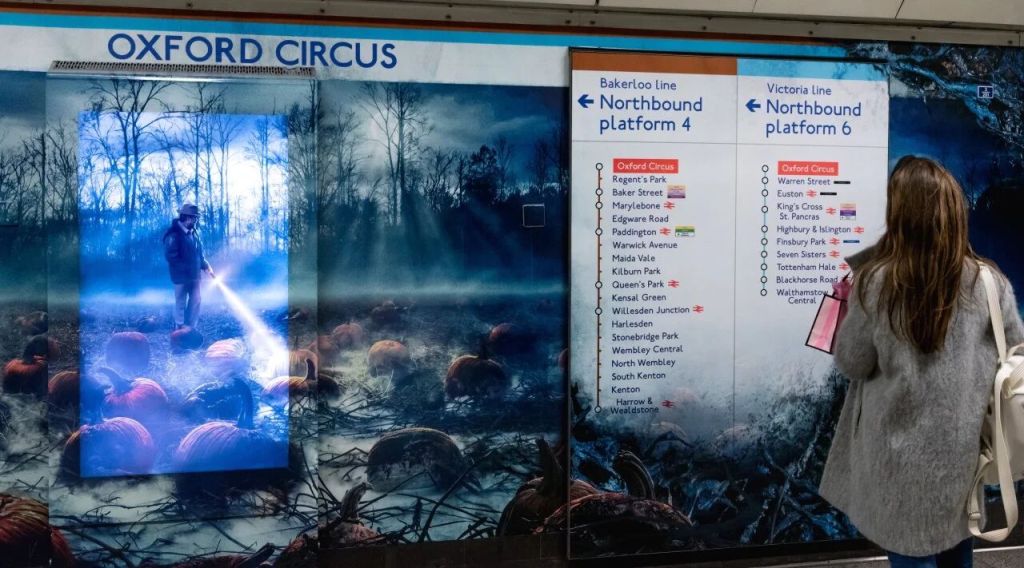
In recent years, the London Underground has been constantly exploring cultural marketing. For example, “Stranger Things” once made the Oxford Circle Station into the “upside down world” in the play, allowing passengers to immerse themselves in film and television scenes; Arsenal Football Club also cooperated with the London Board of Transportation to launch co-branded training uniforms and limited-edition subway cards, which made urban culture, public The combination of transportation and sports brands is clever.
In my opinion, the London Underground has long been not only a transportation system, but also an important carrier of public communication and brand marketing. From public welfare and safety publicity to business cooperation to cultural creativity, it shows how modern public services can connect the public, transmit value, and shape the brand image of the city through advertising.
Junjie Chen
Original text published in: China Advertising Magazine (January 15, 2025)


Leave a Reply